In any organized environment, the concept of equity relies heavily on systems that are carefully designed to maintain fairness and consistency. The strength of these systems lies not merely in their structure, but in their capacity to ensure that all participants experience equal opportunity and predictable outcomes. By embedding checks, balances, and transparent processes into the operational framework, an organization can foster trust and encourage participation from all stakeholders. Systems that are thoughtfully maintained help prevent favoritism or bias, creating a level playing field where performance and adherence to rules determine outcomes rather than subjective interpretation or arbitrary decision-making.
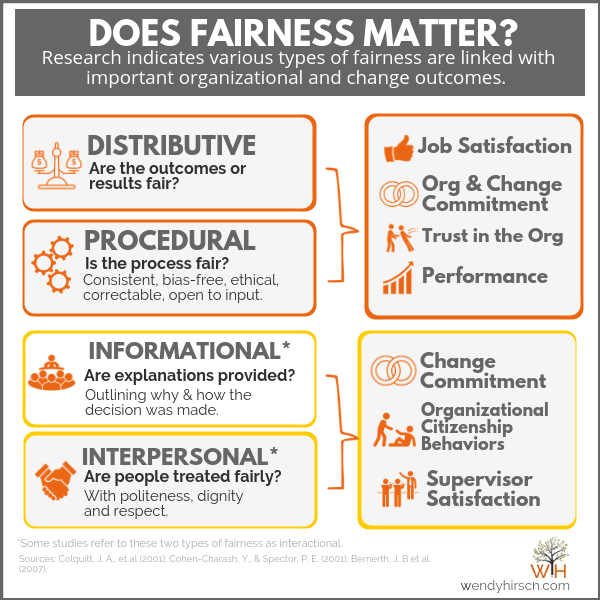
At the core of equity-focused systems is consistency. Predictable procedures reduce uncertainty and allow individuals to understand the expectations placed upon them. When rules are clear, enforcement is uniform, and consequences are proportional, the environment becomes more stable. Participants no longer expend energy guessing how decisions are made or whether circumstances might unfairly favor some over others. Instead, they can focus on achieving objectives within the established guidelines, knowing that the system operates according to standards rather than personal preferences. This predictability nurtures both engagement and confidence, creating a culture in which fairness is recognized and respected.
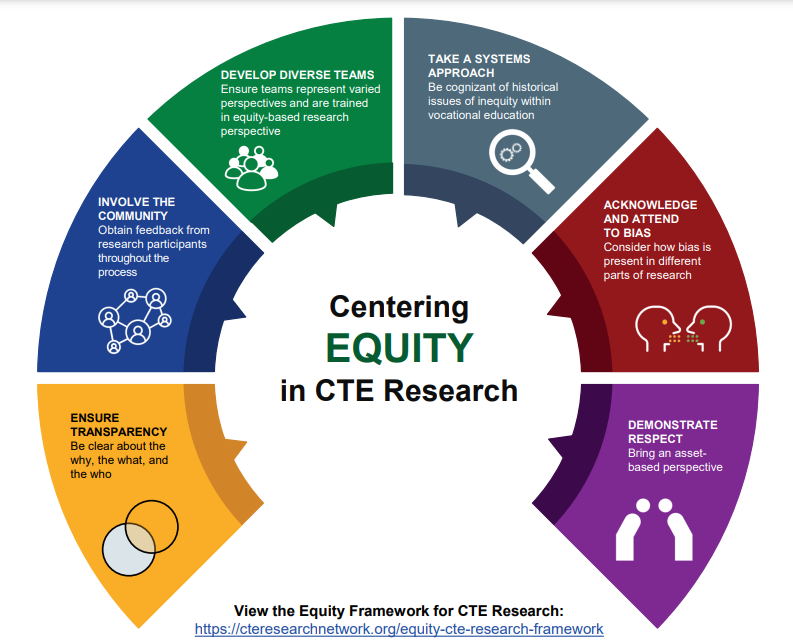
Transparency complements consistency in maintaining equity. Systems that openly communicate their rules, criteria, and evaluation methods reduce ambiguity and build trust. When processes are visible, stakeholders can observe how decisions are made, assess their own progress accurately, and hold the system accountable. Transparency also serves as a safeguard against hidden biases or inadvertent errors. By documenting procedures and rationales, organizations can review actions objectively, ensuring that every decision aligns with principles of fairness. Open communication reinforces confidence that the system is impartial, making it more likely that individuals will accept outcomes, even when those outcomes are not in their favor.
Another critical aspect of maintaining fairness through systems is adaptability. While consistency is important, rigid rules can sometimes fail to address unique circumstances or evolving needs. Effective systems strike a balance by offering structured procedures while allowing for flexibility when appropriate. Adaptive mechanisms, such as review panels, appeal processes, or periodic audits, enable the system to correct discrepancies and improve over time. This dynamic approach ensures that fairness is not a static ideal but a continuously reinforced principle. By responding to feedback and learning from experience, systems remain equitable even as contexts change, sustaining their credibility in the eyes of all participants.
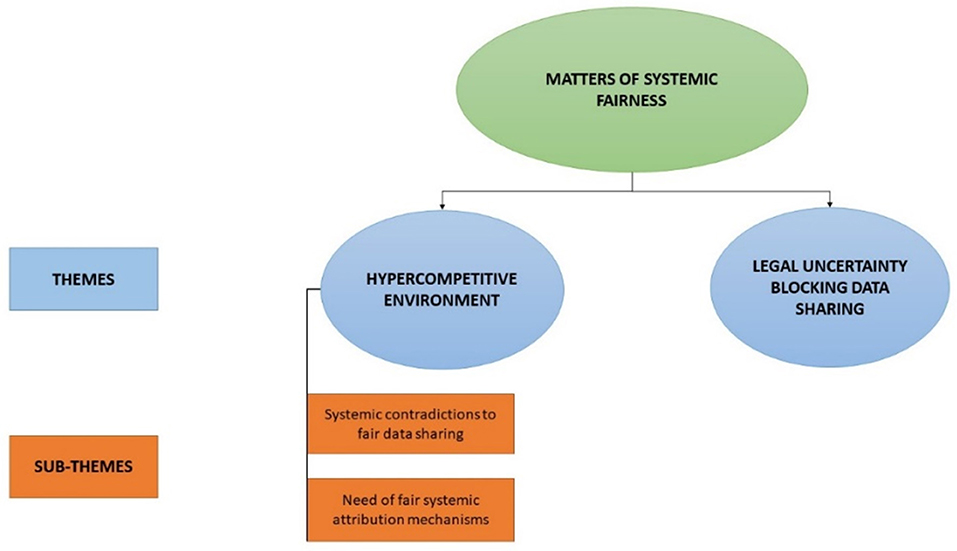
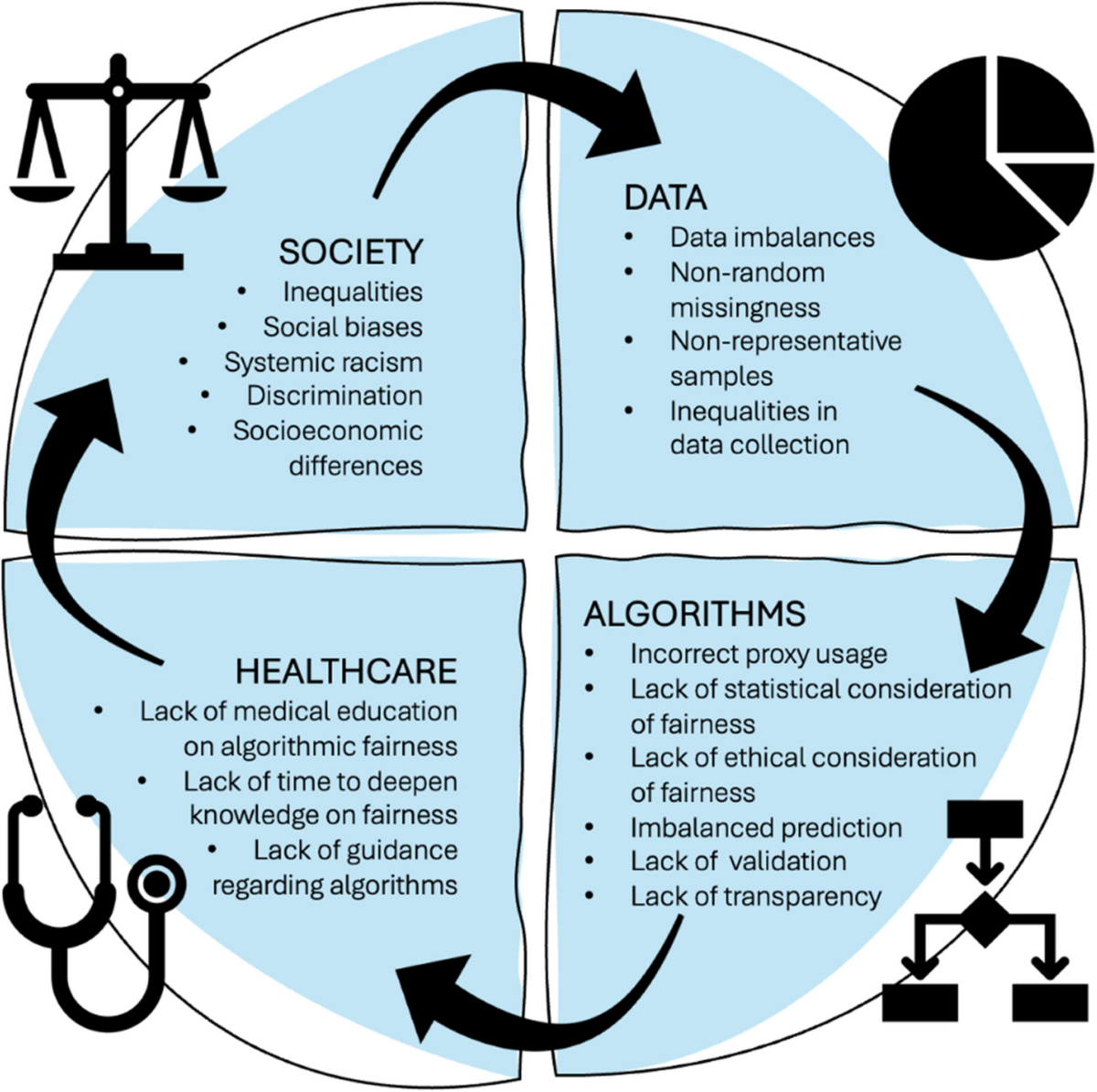
Data-driven decision-making strengthens equity further by removing subjectivity from evaluations. Systems that rely on measurable indicators, objective criteria, and standardized benchmarks reduce the influence of personal bias and increase confidence in fairness. Metrics and analytics provide a clear basis for assessing performance, distributing resources, or determining eligibility for opportunities. When decisions are anchored in quantifiable information, individuals perceive that outcomes are based on merit rather than favoritism. Moreover, data allows organizations to identify patterns, detect disparities, and implement corrective measures proactively, enhancing the system’s capacity to uphold equity continuously.
Education and training play a crucial role in supporting fair systems. Participants who understand the principles, objectives, and procedures of the system are better equipped to engage appropriately and benefit fully from available opportunities. Training programs that clarify rules, decision-making processes, and reporting mechanisms ensure that everyone has access to the knowledge required to operate successfully within the system. Educated participants can recognize when procedures are followed correctly, advocate for their rights if necessary, and contribute to the integrity of the system. Empowerment through understanding fosters equitable participation and strengthens trust in the structures that govern interactions.
Monitoring and accountability mechanisms are essential to sustaining fairness over time. Systems that incorporate regular evaluations, feedback loops, and oversight processes can detect deviations, enforce standards, and prevent abuses of power. Accountability ensures that rules are applied uniformly, that errors are addressed promptly, and that participants who violate procedures face appropriate consequences. By embedding monitoring into the operational framework, organizations reinforce the principle that fairness is not optional but mandatory. The knowledge that actions are subject to review encourages adherence to rules, supporting a culture of equitable behavior.
Inclusivity is another pillar of equity within systems. A system designed to be fair must actively consider the diverse needs, backgrounds, and perspectives of its participants. Equity is not achieved merely by treating everyone identically but by recognizing and accommodating differences to ensure genuine opportunity. Inclusive processes provide avenues for participation, representation, and feedback, ensuring that all voices are heard and that no group is systematically disadvantaged. By integrating inclusivity into the architecture of systems, organizations can align operational fairness with ethical responsibility, creating an environment where fairness is both perceived and realized.
Finally, the sustainability of equity depends on cultural reinforcement. Systems alone cannot guarantee fairness if the organizational culture undermines them. Leaders must model fairness, reward ethical behavior, and consistently communicate the importance of equitable practices. Cultural norms that value transparency, integrity, and respect complement formal systems, ensuring that rules are not just followed but internalized. When fairness is embedded in both systems and culture, it becomes self-reinforcing, shaping behaviors, expectations, and outcomes consistently over time. Participants learn that equitable treatment is the standard, creating an environment in which fairness is maintained without constant external enforcement.
In summary, equity maintained by systems relies on consistency, transparency, adaptability, data-driven processes, education, accountability, inclusivity, and cultural reinforcement. Each element strengthens the others, creating a resilient framework that supports fairness across all operations. By designing, implementing, and continuously refining systems with these principles in mind, organizations can ensure that fairness is not an abstract ideal but a tangible reality experienced by every participant. Such systems empower individuals to act with confidence, trust the process, and engage fully, knowing that equity is actively preserved and that outcomes reflect merit and adherence to clearly defined rules. The enduring impact of these systems is a balanced, just, and sustainable environment where fairness is not merely an aspiration but a consistently realized principle.
Equity, when embedded in systems thoughtfully, becomes a dynamic force that guides interactions, decision-making, and resource distribution. Participants perceive fairness not only through outcomes but through the integrity and reliability of the processes themselves. The structured mechanisms, aligned with cultural values and responsive to change, create a holistic approach in which fairness is both operational and ethical. By investing in the continuous maintenance and improvement of these systems, organizations cultivate trust, engagement, and a sense of justice that persists, reinforcing the idea that equity is best preserved not by chance but by design.

Be First to Comment