In a world increasingly saturated with information, the human mind often finds itself stretched thin, juggling multiple sources of input simultaneously. AttunedEquilibrium, a concept grounded in cognitive science and behavioral design, offers a framework to reduce mental strain by creating environments and systems that align with natural human processing capabilities. By focusing on equilibrium, it becomes possible to craft experiences where attention is guided smoothly, decisions are made more efficiently, and cognitive load is minimized, allowing individuals to operate with greater clarity and confidence. This balance is not about limiting engagement but about structuring interactions in a way that supports mental sustainability.
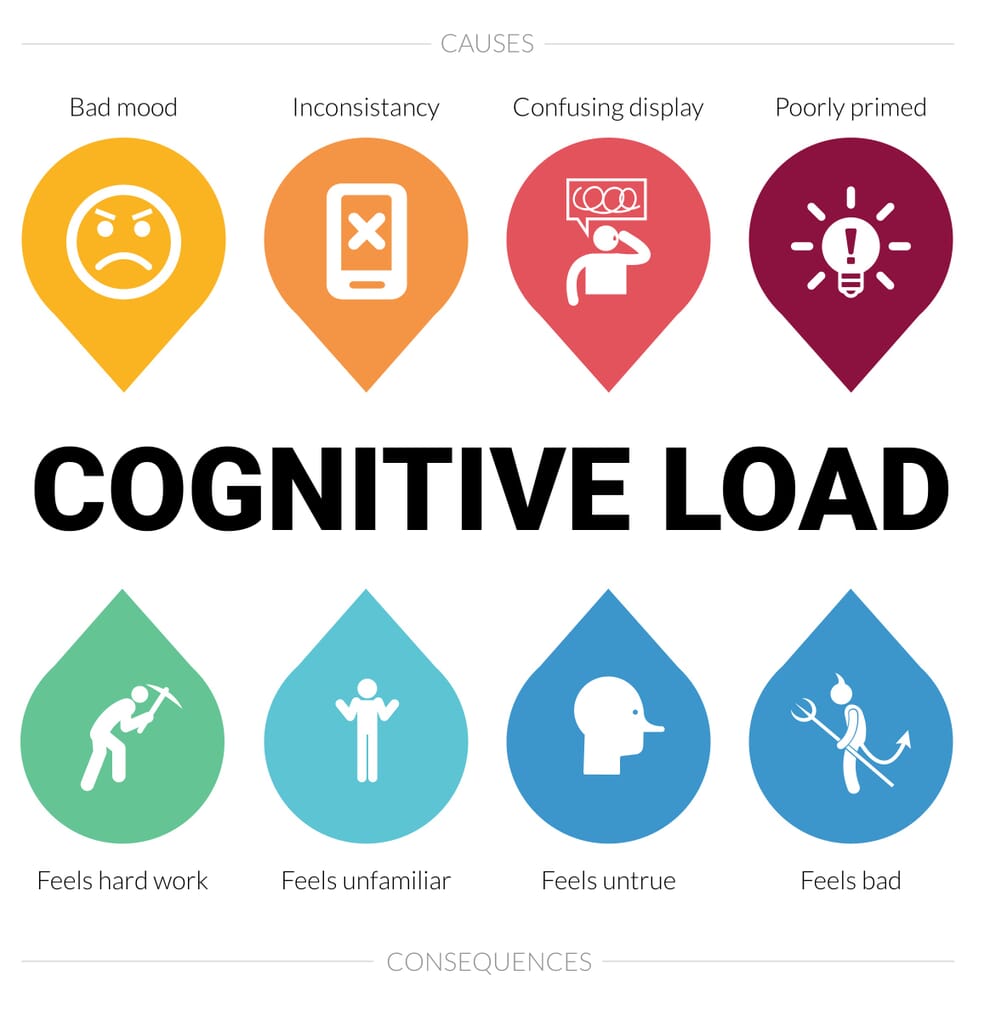
Central to the principle of AttunedEquilibrium is the recognition that the human brain has finite processing resources. When these resources are taxed beyond a certain threshold, the quality of attention diminishes, errors increase, and fatigue sets in. Excessive cognitive load can manifest in many ways: overlooked details, slower decision-making, or even avoidance of tasks that require sustained focus. By contrast, environments designed with equilibrium in mind respect these limits, presenting information in digestible units, prioritizing relevance, and reducing unnecessary distractions. The result is a mental space where focus is naturally maintained, rather than forced, fostering both productivity and well-being.
One of the most practical applications of this principle is in user experience design. Digital interfaces, for instance, often bombard users with notifications, pop-ups, and competing visual stimuli. An attuned equilibrium approach encourages designers to assess what truly demands attention and what can be simplified or deferred. This might involve prioritizing content hierarchically, using subtle visual cues to guide focus, or employing progressive disclosure to reveal complexity only when necessary. Such strategies prevent overwhelming the user while still providing access to complete information when needed. The overall effect is a smoother, more intuitive interaction, where the user feels in control and less mentally burdened.
Similarly, in organizational contexts, workflows can be structured to support cognitive equilibrium. Employees are often expected to manage multiple projects, respond to emails, and attend meetings simultaneously. Without careful attention to workload distribution and task sequencing, mental resources are quickly depleted. By applying principles of attuned equilibrium, managers can design processes that segment work effectively, allocate focus periods strategically, and integrate pauses that allow for mental recovery. This approach does not merely enhance efficiency; it also promotes sustained engagement, reduces burnout, and nurtures a culture where thoughtful work is achievable without constant stress.
The education sector provides another vivid illustration of how reducing cognitive load can yield tangible benefits. Learners absorb information most effectively when it is presented in ways that align with their existing mental schemas. Overly complex instructions, excessive data, or poorly structured content can overload working memory, impeding understanding. Educators who embrace attuned equilibrium principles focus on clarity, pacing, and scaffolded instruction. Breaking down lessons into coherent chunks, emphasizing key concepts, and using consistent patterns of presentation allows students to internalize knowledge more deeply and apply it with confidence. By respecting cognitive constraints, learning becomes less taxing and more rewarding.
Technology can serve as both a challenge and a solution in this context. The proliferation of digital tools has multiplied cognitive demands, from constant multitasking to information saturation. However, it also provides mechanisms to support equilibrium through automation, smart notifications, and personalized content delivery. Intelligent systems can filter irrelevant information, highlight what requires attention, and adapt dynamically to the user’s mental state. For example, adaptive dashboards that prioritize critical alerts while minimizing secondary distractions help maintain focus without sacrificing situational awareness. Similarly, time management tools that guide attention toward essential tasks while scheduling rest intervals reduce the likelihood of cognitive overload.
Mindfulness and self-regulation practices complement these structural strategies. AttunedEquilibrium is not solely about external design but also about internal alignment. Techniques that cultivate awareness of mental state, such as deliberate breathing, brief reflection, or scheduled pauses, allow individuals to monitor their cognitive load and respond proactively. By coupling environmental supports with personal strategies, one achieves a synergistic effect: the environment reduces unnecessary demands, while conscious attention management maximizes the efficient use of available mental resources. Over time, this dual approach enhances resilience, focus, and overall cognitive health.
Moreover, attuned equilibrium encourages a nuanced understanding of prioritization. Not all information, tasks, or interactions are equally valuable, and recognizing this is key to minimizing cognitive strain. Systems that surface the most relevant data first, sequence tasks by cognitive demand, or provide contextual guidance enable users to allocate their mental resources more effectively. This selective exposure not only optimizes decision-making but also strengthens confidence and reduces the anxiety associated with information overload. In essence, equilibrium fosters a mental ecosystem where every input has a purpose, and every action is supported rather than hindered by excessive complexity.
Communication, too, benefits from this principle. In professional, social, or educational settings, messages often become diluted when overloaded with detail or presented without clear structure. By applying attuned equilibrium, communicators can focus on clarity, conciseness, and the strategic sequencing of information. Breaking down messages into digestible parts, using consistent visual or linguistic cues, and emphasizing actionable points reduces the cognitive effort required to process content. The audience experiences smoother comprehension and retention, and the likelihood of misunderstandings diminishes, reinforcing trust and engagement.
In conclusion, AttunedEquilibrium represents a holistic approach to mitigating cognitive load, emphasizing alignment between environmental demands and human processing capabilities. Its applications span design, education, organizational management, technology, and personal development, with a common objective: to create conditions where attention, focus, and decision-making occur with minimal mental friction. By recognizing and respecting the limits of cognitive resources, individuals and organizations can cultivate spaces where information is manageable, choices are clear, and mental energy is preserved for tasks of genuine importance. This equilibrium, carefully maintained, not only enhances efficiency but also nurtures sustained mental well-being, allowing humans to navigate complexity with confidence and clarity, rather than fatigue and frustration.
The benefits of attuned equilibrium extend beyond mere performance. When cognitive load is minimized, creativity and problem-solving flourish, as the mind has the capacity to explore, synthesize, and innovate. Decision-making becomes more deliberate, as individuals can weigh options without the interference of unnecessary distractions. Emotional regulation improves, since reduced mental strain allows for more measured responses to challenges. Even interpersonal interactions benefit, as people can engage thoughtfully rather than reactively. In effect, equilibrium serves as a foundation for holistic cognitive functioning, integrating attention, comprehension, memory, and emotional balance into a coherent framework that supports both personal and collective success.
Ultimately, AttunedEquilibrium is a lens through which the design of experiences, processes, and behaviors can be evaluated and optimized. By systematically reducing cognitive load and aligning stimuli with natural human capacities, it is possible to create environments where individuals thrive mentally, socially, and professionally. Its principles encourage intentionality in how information is presented, how tasks are structured, and how attention is guided. The resulting reduction in cognitive friction not only improves efficiency and performance but also cultivates a sense of calm, clarity, and confidence—an enduring mental state in which individuals can navigate complexity with ease, and in which their potential for focus, creativity, and thoughtful engagement is fully realized.
This approach ultimately reframes our understanding of efficiency and productivity. Rather than equating more input, faster processing, or relentless multitasking with progress, attuned equilibrium highlights the value of strategic focus, mental clarity, and cognitive sustainability. It advocates for environments and behaviors that complement, rather than compete with, our natural capacities. In doing so, it fosters a more humane approach to engagement—one where success is measured not merely by output but by the quality of attention, the depth of understanding, and the well-being of those involved. Cognitive load is no longer an unavoidable burden but a factor to be managed thoughtfully, ensuring that human potential is supported, preserved, and optimized in every context.
By integrating these principles into everyday life, individuals and organizations alike can cultivate spaces that encourage calm focus, intentional decision-making, and sustainable engagement. AttunedEquilibrium provides a guiding framework for navigating complexity, offering strategies to structure information, prioritize tasks, and create environments that honor human cognitive limits. Through careful design and mindful practice, mental overload can be reduced, creativity can be unleashed, and attention can be preserved for what truly matters. The ultimate result is a balance between challenge and capacity—a cognitive state in which individuals feel equipped, empowered, and resilient, capable of engaging fully without being overwhelmed, and navigating the demands of a complex world with clarity and confidence.


Be First to Comment